
Introduction: People Trust People, Not Posters
Let’s be honest for a moment.
When was the last time you bought something just because you saw a polished ad?
Probably not recently.
But when a creator you follow:
- Talks about a product casually
- Uses it in real life
- Shares an honest opinion
You listen.
That’s the power of Social Media Influencer Marketing — and in 2026, it’s no longer a trend. It’s a core marketing strategy.
At The Sociovert, we see this clearly: people don’t want brands talking at them anymore. They want real humans talking with them.
This blog explains what influencer marketing really is today, why it works better than traditional ads, and how brands can use it smartly — without wasting money or damaging trust.
What Is Social Media Influencer Marketing? (In Simple Words)
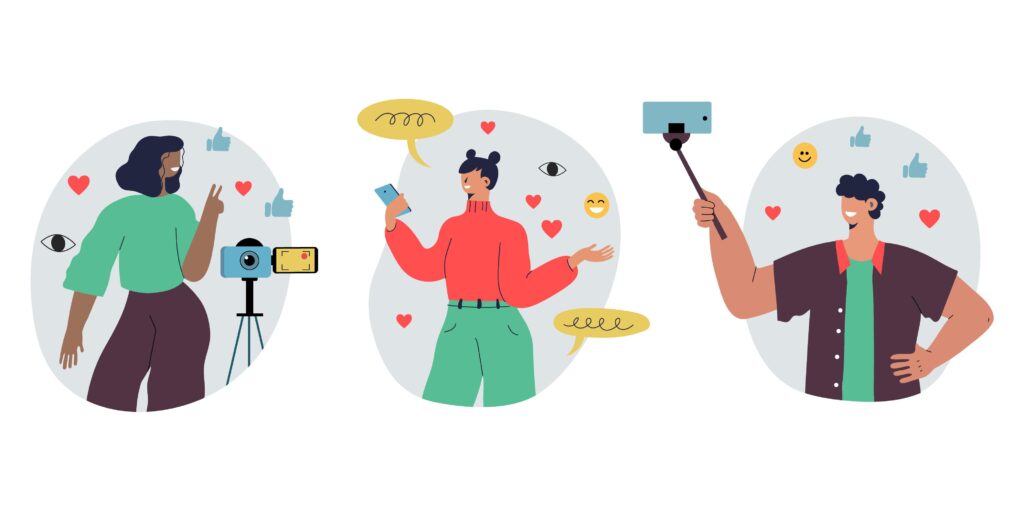
Influencer marketing is when a brand partners with real people who already have trust and influence over a specific audience.
These influencers could be:
- Content creators
- Industry experts
- Niche reviewers
- Local personalities
- Micro or nano influencers
They don’t “sell loudly.”
They recommend naturally.
In simple terms:
👉 Influencer marketing is word-of-mouth — just online.
Why Influencer Marketing Is So Powerful in 2026
The digital audience has matured. People are smarter now.
1️⃣ Audiences Can Spot Fake Ads Instantly
Over-edited ads and scripted promotions feel forced.
Influencer content feels:
- Casual
- Relatable
- Honest
- Real
And real content builds trust faster than perfect visuals.
2️⃣ Trust Has Shifted from Brands to Creators
People trust:
- Creators they follow daily
- Voices that feel familiar
- Opinions that match their lifestyle
In 2026, creators are seen as digital friends, not advertisers.
3️⃣ Niche Influence Beats Mass Reach
A creator with 10,000 genuine followers often performs better than one with 1 million random followers.
Why?
Because relevance beats reach.
Types of Influencers Brands Work With Today
Influencer marketing is no longer about celebrities only.
🔹 Nano Influencers (1K–10K followers)
- High trust
- Strong engagement
- Best for local and niche brands
🔹 Micro Influencers (10K–100K followers)
- Balanced reach and credibility
- Great for product launches and reviews
🔹 Macro Influencers (100K+)
- Wide visibility
- Best for awareness campaigns
At The Sociovert, we focus more on impact, not follower count.
How Influencer Marketing Helps Businesses Grow
When done right, influencer marketing delivers real business value.
📈 Builds Instant Trust
People trust creators they already follow — so brands get borrowed credibility.
📣 Increases Brand Awareness Naturally
Content spreads organically through stories, reels, and shares.
💬 Drives Conversations
Influencer posts spark comments, DMs, and discussions — not just views.
🛒 Improves Conversions
People are more likely to buy after seeing a real person use the product.
Why Influencer Marketing Fails for Some Brands
Let’s be blunt — influencer marketing fails when brands do it wrong.
Common mistakes:
❌ Choosing influencers only by follower count
❌ Forcing scripts
❌ Promoting irrelevant products
❌ No clear goal
❌ One-time collaborations with no consistency
Influencer marketing is not “pay and pray.”
It needs strategy, alignment, and authenticity.
How The Sociovert Approaches Influencer Marketing
At The Sociovert, we don’t chase hype. We build meaningful collaborations.
Step 1: Brand & Audience Understanding
We first understand:
- Your brand values
- Your audience
- Your business goal
Step 2: Right Influencer Selection
We select influencers based on:
- Audience relevance
- Content quality
- Engagement authenticity
- Brand fit
Not follower numbers alone.
Step 3: Natural Content Direction
We guide influencers — not control them.
Because forced content kills trust.
Step 4: Campaign Execution
Reels, stories, posts, reviews — designed to feel organic.
Step 5: Tracking & Learning
We track:
- Reach
- Engagement
- Clicks
- Enquiries
- Conversions
So campaigns improve, not repeat mistakes.
Industries Where Influencer Marketing Works Best
In 2026, influencer marketing performs extremely well for:
- Lifestyle brands
- Fashion & beauty
- Food & restaurants
- Fitness & wellness
- Education & coaching
- Local businesses
- Startups
If people need to experience your product — influencers help bridge that gap.
Influencer Marketing vs Traditional Advertising
Let’s compare honestly:
| Traditional Ads | Influencer Marketing |
| Interruptive | Conversational |
| Brand-centric | People-centric |
| Easily ignored | Actively watched |
| Expensive | Flexible budgets |
| Low trust | High trust |
That’s why brands are shifting budgets toward influencer-led campaigns.
The Future of Influencer Marketing
Influencer marketing in 2026 is moving toward:
- Smaller, niche creators
- Long-term partnerships
- Honest reviews over hype
- Story-based content
- Community-driven influence
The era of fake endorsements is ending.
Conclusion: Influence Works When It Feels Real
People don’t want to be sold to.
They want to be guided by people they trust.
Social Media Influencer Marketing works because it feels:
- Human
- Honest
- Relatable
At The Sociovert, we help brands collaborate with influencers in a way that protects trust, respects the audience, and delivers results.
Because in 2026, real influence beats loud marketing — every single time.